- Home
- Crypto Blog
- LinkedIn Crypto KOLs: Reaching Institutional and B...
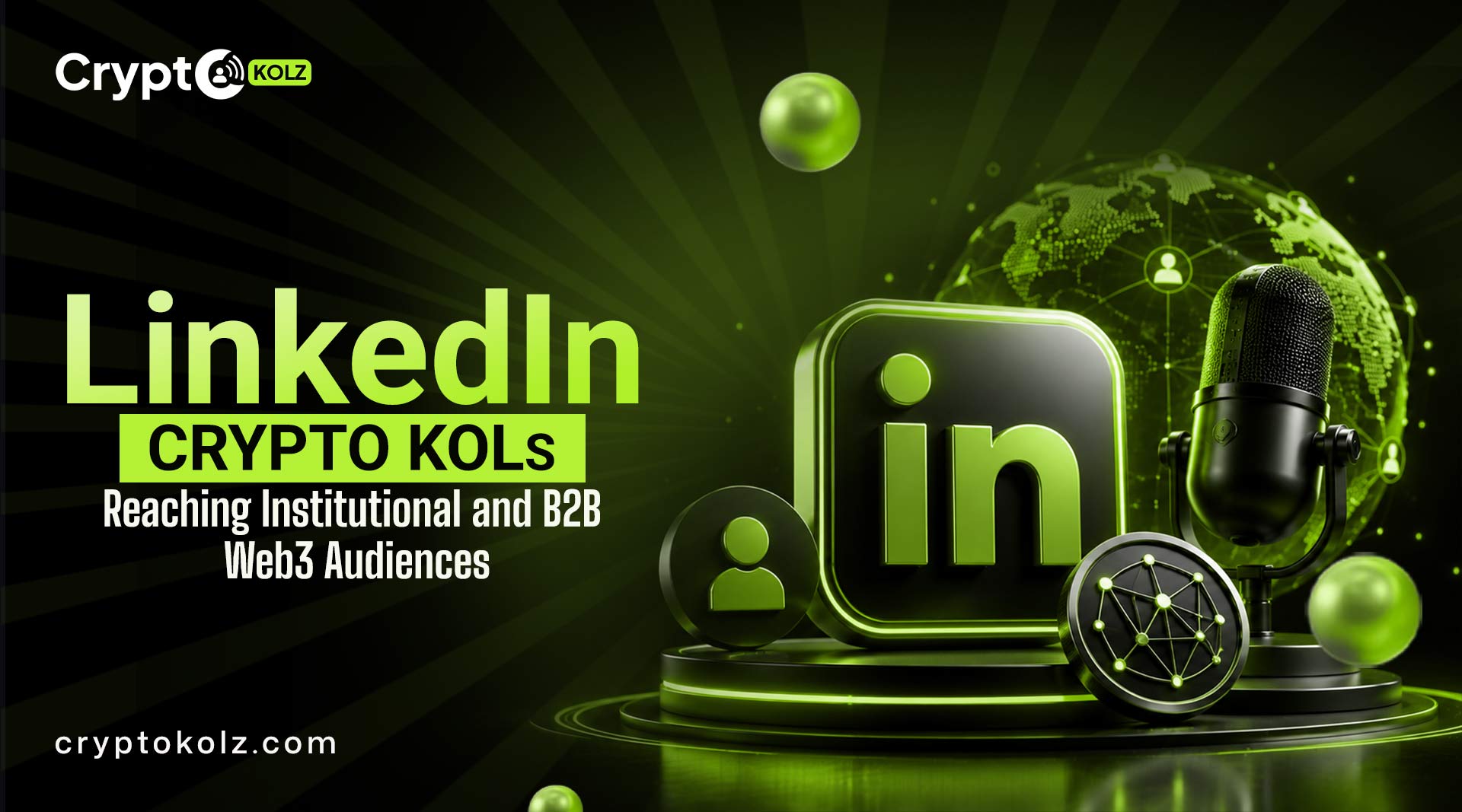
LinkedIn Crypto KOLs: Reaching Institutional and B2B Web3 Audiences
Most discussions of crypto KOL marketing focus on retail-facing platforms: X for buzz, Telegram for community, TikTok for reach. LinkedIn rarely enters the conversation, yet for a specific and increasingly important segment of the Web3 industry, those building infrastructure, enterprise solutions, or products aimed at institutional adoption, LinkedIn represents one of the only platforms where the right audience can actually be reached at scale.
The Audience LinkedIn Uniquely Serves
LinkedIn's user base skews toward professionals, decision-makers, and individuals who use the platform specifically in a professional capacity.
For crypto and Web3 projects targeting enterprise clients, institutional investors, or B2B partnerships, this audience composition is simply unavailable on other major social platforms, where professional identity is either absent or secondary to personal interests.
A blockchain infrastructure company seeking partnerships with traditional financial institutions, a Web3 project building enterprise tooling, or a fund looking to communicate with potential institutional limited partners all face the same challenge: their target audience is largely absent from crypto-native platforms like X and Telegram, or present there only in a personal capacity disconnected from their professional decision-making role.
What "KOL" Means on LinkedIn
The concept of a Key Opinion Leader looks different on LinkedIn than on retail-focused platforms. Rather than influencers with massive follower counts and viral content styles, LinkedIn's most influential voices in the crypto and blockchain space tend to be industry analysts, former or current executives at relevant companies, venture capitalists, and subject matter experts whose posts are valued for their professional insight rather than their entertainment value.
These individuals often have follower counts that would seem modest by crypto Twitter standards, sometimes in the tens of thousands rather than hundreds of thousands or millions, but their audience composition, predominantly other professionals in relevant industries, makes their endorsement or commentary disproportionately valuable for B2B-oriented campaigns.
Content Style: Substance Over Spectacle
LinkedIn's content culture differs sharply from the meme-heavy, fast-paced style common on crypto Twitter. Posts that perform well on LinkedIn tend to be more measured, often taking the form of professional analysis, case studies, or thoughtful commentary on industry trends.
A post styled like a typical crypto Twitter take, heavy on hype language and urgency, tends to feel out of place and can actually damage credibility with a LinkedIn audience that expects a more professional tone.
For crypto KOL campaigns on LinkedIn, this means content needs to be reframed for the platform's norms. Rather than emphasising price action or short-term opportunity, effective LinkedIn content tends to focus on the underlying technology, business case, market trends, and the professional implications of a project's development, positioning the project within a broader industry narrative that a professional audience finds relevant to their own work.
Tiers of Influence and Their Different Roles
Within the broader KOL ecosystem, different tiers of influencers serve different purposes, and this is particularly true when comparing LinkedIn to retail platforms. A mega-influencer on X might reach millions but provide relatively shallow engagement per follower.
A mid-tier LinkedIn voice with a smaller but highly relevant professional audience might provide far deeper engagement among exactly the decision-makers a B2B project needs to reach.
Understanding how these tiers function across different platforms helps in allocating KOL budgets appropriately.
Our guide covers how to think about influence levels across the spectrum, and why a smaller, highly targeted LinkedIn presence might deliver more relevant impact for institutional-facing campaigns than a much larger but less targeted presence elsewhere.
How LinkedIn Fits Into a Broader Strategy
For most Web3 projects, LinkedIn will never be the primary KOL channel, simply because the majority of crypto's audience and activity happens elsewhere.
However, for projects with a genuine institutional or enterprise component to their business, even a relatively modest LinkedIn presence can open doors that retail-focused channels cannot.
Comparing LinkedIn against other platform options helps clarify when this investment makes sense. Our broader comparison guide on platform comparison for crypto KOL marketing covers.
How to think about platform selection based on audience type rather than simply chasing the platforms with the largest crypto-native communities, an approach that often leads B2B-focused projects to underinvest in the one platform where their actual target audience spends professional time.
Building Credibility With Institutional Audiences
Institutional audiences tend to be more risk-averse and more attentive to signals of legitimacy than retail crypto audiences.
A LinkedIn presence that includes commentary from recognisable industry figures, especially those with verifiable professional backgrounds at established companies, can serve as a meaningful credibility signal for projects seeking institutional engagement.
This is particularly relevant for projects undergoing fundraising processes, seeking enterprise partnerships, or building products that require integration decisions from larger organisations, decisions that typically involve more stakeholders and longer evaluation periods than retail purchasing decisions.
A thoughtful LinkedIn presence, supported by relevant industry voices, can play a role in these longer institutional sales cycles even if it never produces the kind of immediate, visible engagement spikes associated with retail-focused platforms.
Practical Considerations for LinkedIn Campaigns
Working with LinkedIn KOLs often involves a different relationship dynamic than working with crypto-native influencers. Many relevant LinkedIn voices are not full-time content creators or influencers in the traditional sense, they are professionals with primary jobs who post as part of building their personal brand within their industry.
This means sponsorship arrangements may be less common, and genuine collaboration, such as co-authored content, speaking opportunities, or thought leadership partnerships, may be more appropriate than direct sponsored posts.
Patience is also essential. LinkedIn's content distribution tends to be slower and less viral than crypto-native platforms, with engagement building over days rather than hours.
Campaigns that expect immediate, dramatic results similar to a viral X thread will likely be disappointed, while those that view LinkedIn as a longer-term credibility and relationship-building channel are more likely to find it valuable.
Conclusion
LinkedIn occupies a small but important niche within the broader crypto KOL ecosystem, one defined not by reach or virality but by access to an audience segment that other platforms simply cannot deliver: professionals making institutional decisions about partnerships, investments, and enterprise adoption.
For the growing number of Web3 projects with genuine B2B or institutional ambitions, building even a modest, thoughtfully-executed LinkedIn presence, supported by the right industry voices, can open doors that no amount of activity on crypto-native platforms ever could.
 Latest Blog
What is a Crypto KOL? The Role of Influencers in Blockchain Marketing
Latest Blog
What is a Crypto KOL? The Role of Influencers in Blockchain Marketing
The cryptocurrency world is growing fast. New projects launch every week, and thousands of tokens compete for attention. But not every project becomes popular or trusted. Success often depends on who is talking about it. This is where a crypto KOL (Key Opinion Leader) plays a big role.A crypto KOL is a person who influences how people think about blockchain and cryptocurrency projects. They help spread awareness, build trust, and guide investors toward new opportunities. In this article, you will learn what a crypto KOL is, why they matter, and how they help crypto projects succeed.What is a Crypto KOL?A...
 Latest Blog
Verified Crypto Influencers: How to Choose the Right Ones
Latest Blog
Verified Crypto Influencers: How to Choose the Right Ones
Finding verified crypto influencers is now one of the most important parts of any Web3 marketing plan. The crypto world moves fast, new projects launch every day, and users trust only a few voices they consider honest and reliable. If you want steady, long-term growth, you need influencers who are respected, transparent, and truly understand the industry.This guide will help you do exactly that. You’ll learn how to find trustworthy influencers, how to check if they are genuine, and how to choose the ones who match your project’s goals. The goal is simple: to help you make smart and safe...
 Latest Blog
Best Crypto Influencer Platforms for Web3 in 2026
Latest Blog
Best Crypto Influencer Platforms for Web3 in 2026
The crypto world changes fast new tools, fresh projects, and new ideas appear all the time. As the space continues to grow rapidly, the need for strong and simple crypto influencer marketing is bigger than ever. If you want to launch a token, promote an NFT drop, or grow a Web3 community, the right platforms can help you reach the right people in a clear, effective, and efficient way. Influencer marketing is no longer optional; it has become an essential part of any successful crypto campaign.This guide walks you through the best platforms for crypto influencer marketing. You’ll learn how...
 Latest Blog
Top Crypto Influencer Marketing Mistakes You Must Avoid
Latest Blog
Top Crypto Influencer Marketing Mistakes You Must Avoid
Crypto marketing is growing fast, and influencers have become a key part of promoting projects, tokens, and Web3 campaigns. Influencers can help you reach thousands of potential investors and users. But even with the best influencers, mistakes can hurt your project. They can waste money, reduce credibility, or fail to attract the right audience.In this guide, we will explain the most common crypto influencer marketing mistakes and show how to avoid them. By following these tips, your campaigns will be more effective, trustworthy, and successful.What Is Crypto Influencer Marketing in Blockchain?Crypto influencer marketing is when a cryptocurrency or blockchain project...
 Latest Blog
Crypto Guest Posting Tips to Boost Trust & SEO
Latest Blog
Crypto Guest Posting Tips to Boost Trust & SEO
Guest posting for crypto projects has become one of the most powerful tools for crypto projects that want to build trust, gain online visibility, and attract real investors. With thousands of new blockchain projects, token sales, and crypto startups launching every year, standing out has become harder than ever. This is why guest posting is now considered an essential strategy for improving SEO, increasing credibility, and driving long-term organic traffic.Explore, you will learn why guest posting matters for crypto projects, how it boosts trust, how it improves SEO, and how you can use it to grow your project faster than...
From account setup to troubleshooting, our FAQ section provides clear, concise solutions to help you navigate with ease. Save time and find the information you need instantly. Check out the FAQs now!